
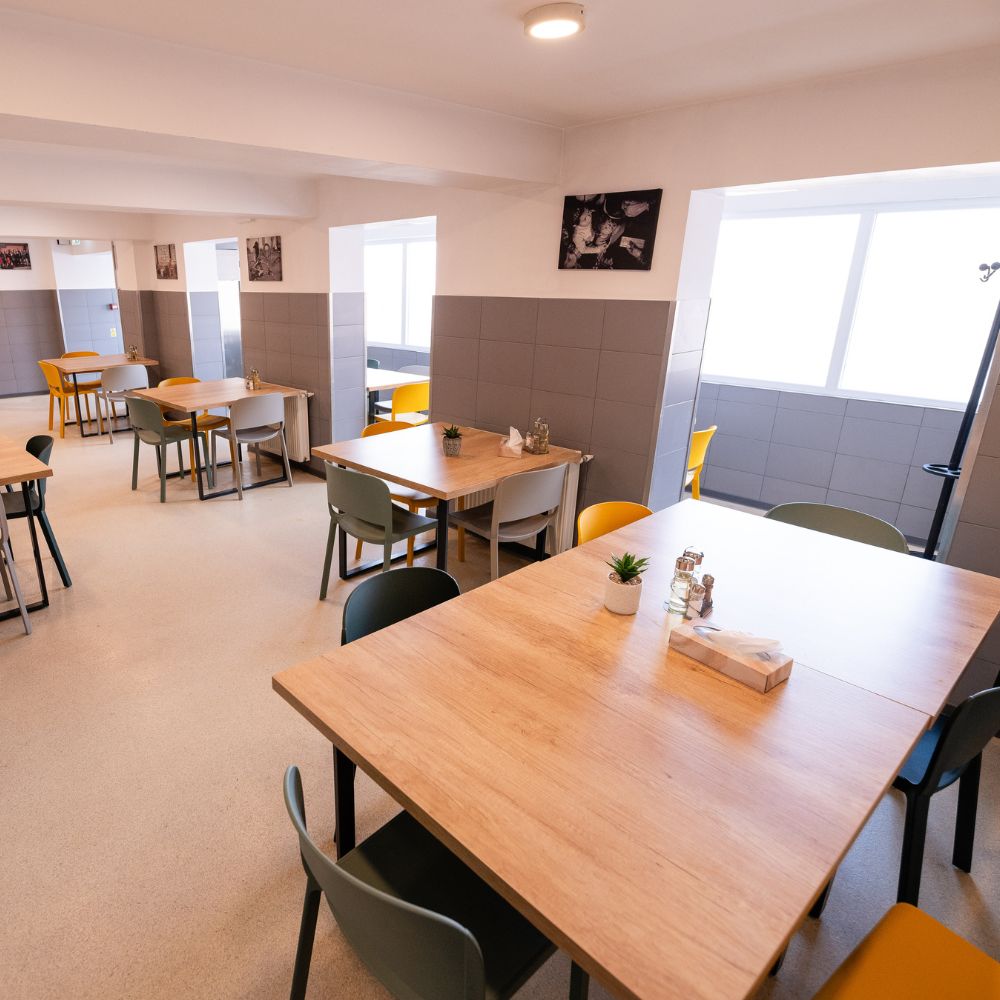
In Romania, we often talk about punishments, about mistakes, about convicts. We talk much less about what happens afterwards. Reintegration is a word we use too rarely, even though our safety, the peace of our communities, and the future of thousands of people depend on it. The simple truth is this: a person released from prison does not disappear into a void. They return among us. And the way we welcome them can determine whether they will rebuild their lives or repeat the wrong path.
Prison Fellowship Romania works precisely in this delicate and little-seen space, where it is decided whether someone receives a real chance or just a release on paper. Reintegration does not begin at the prison gates; it starts much earlier, in programs that rebuild a person's identity, restore their dignity, and offer moral and emotional guidance. For many of those in detention, it is the first time they are truly listened to, when someone challenges them to think differently, to look at their lives with honesty, and to learn from them.
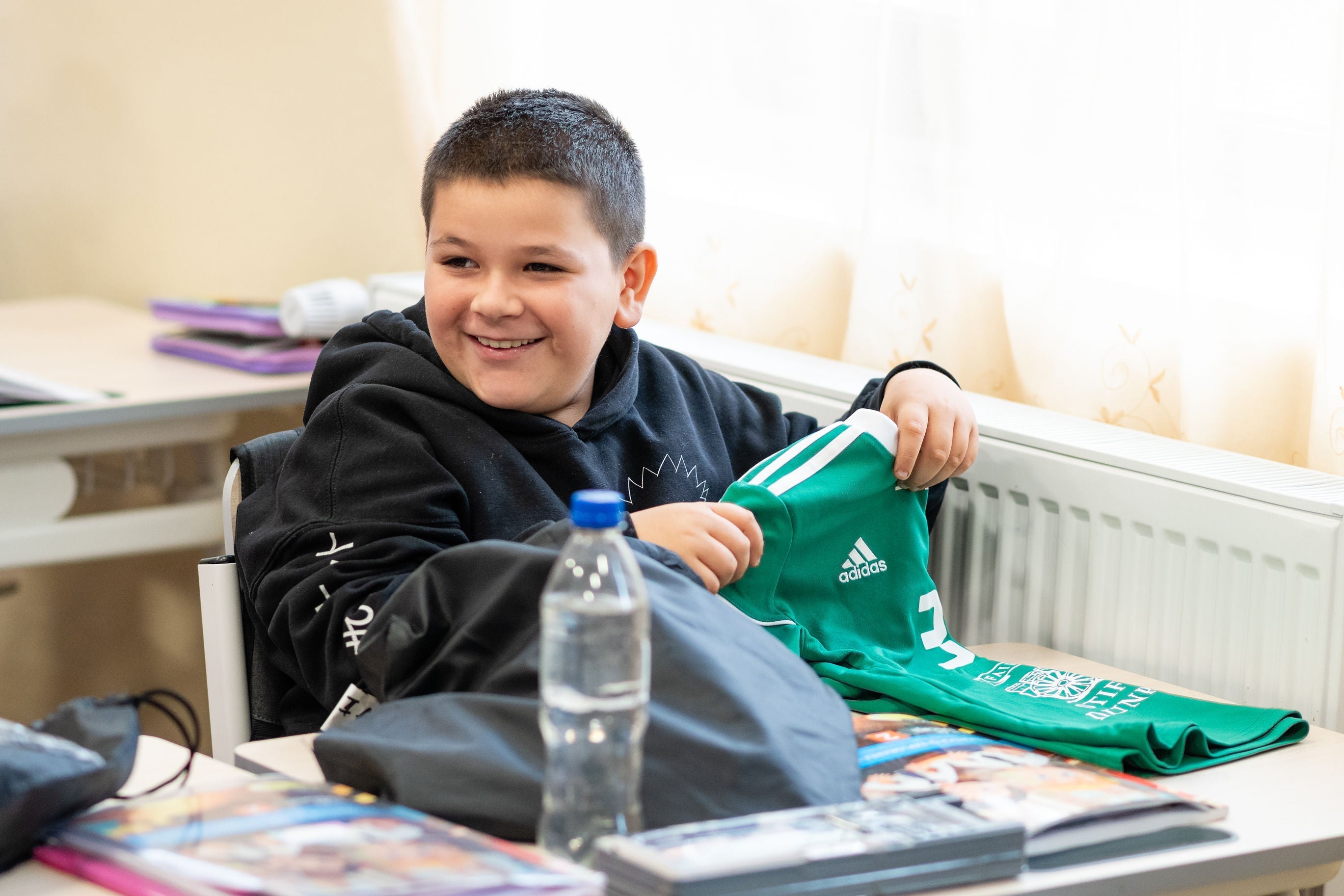
But reintegration also means responsibility towards families. The children of those in detention are, perhaps, the most wronged members of society. They grow up with the absence of a parent, with a shame they should not feel, with questions that adults dare not answer. When Prison Fellowship offers them a pair of boots, a backpack, or a letter from their father, it is not offering an object. It is offering belonging. It is offering the feeling that they are not alone, that there is a future where they do not have to be ashamed of who they are.
And this is reintegration in its purest form: not just of the detainee, but also of the family, of the community, of the relationships that define our lives. If a child grows up with support, education, and emotional stability, the chances of them repeating the cycle of violence or criminality drastically decrease. If a parent learns how to maintain their connection with their child even from behind bars, responsibility increases, motivation increases, and the desire to become a better person increases.
Society sometimes tends to view these stories with indifference, perhaps even with suspicion: "Why should we care?" The answer is simpler than it seems. Because reintegrated people are people who no longer pose a danger. Because families supported today are the healthy communities of tomorrow. Because it is cheaper, more efficient, and infinitely more humane to prevent than to repair. And because none of us is defined solely by our worst mistake.
Reintegration is not a favor. It is an investment in the safety and moral health of an entire society. Prison Fellowship Romania does not promise miracles, but it offers consistency, empathy, and programs that work. It offers continuity in a place where many give up. It offers a bridge where others see only walls.
And that is precisely why it concerns all of us. Because, in the end, a society is measured not by how harshly it punishes, but by how well it heals.
Shari:
How do children live carrying the burden of others' mistakes
How to redirect 3.5% of your income tax to a good cause — Step-by-step guide