

Why does the Social Inclusion Center exist?

Reality
- Nowhere to sleep on the first night
- No money, no ID, no experience
- Family that abandoned you
- 60% recidivism in the first few months

CIS Solution
✓ Safe accommodation for up to 12 months
✓ Psychological counseling & support
✓ Education & professional training
✓ Support for finding employment

CIS Impact
We reduce recidivism from 60% to under 20%. Every successful reintegration means one less victim in the future. You can be part of this change.
WHERE DOES REINTEGRATION BEGIN
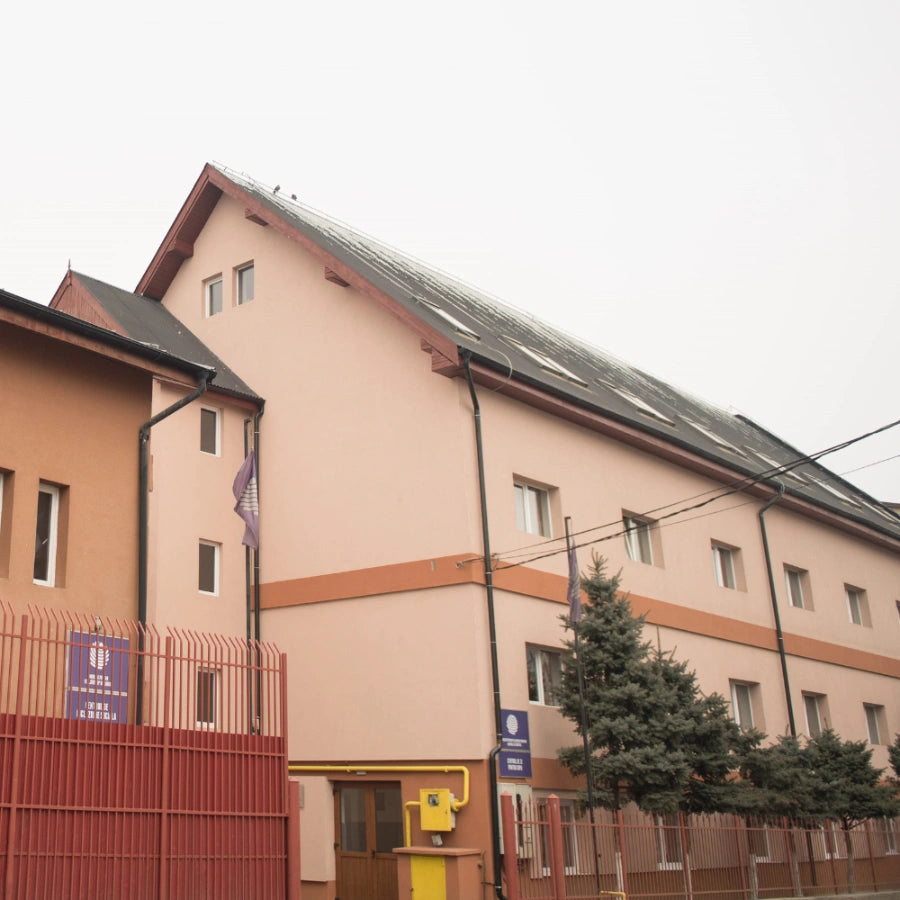
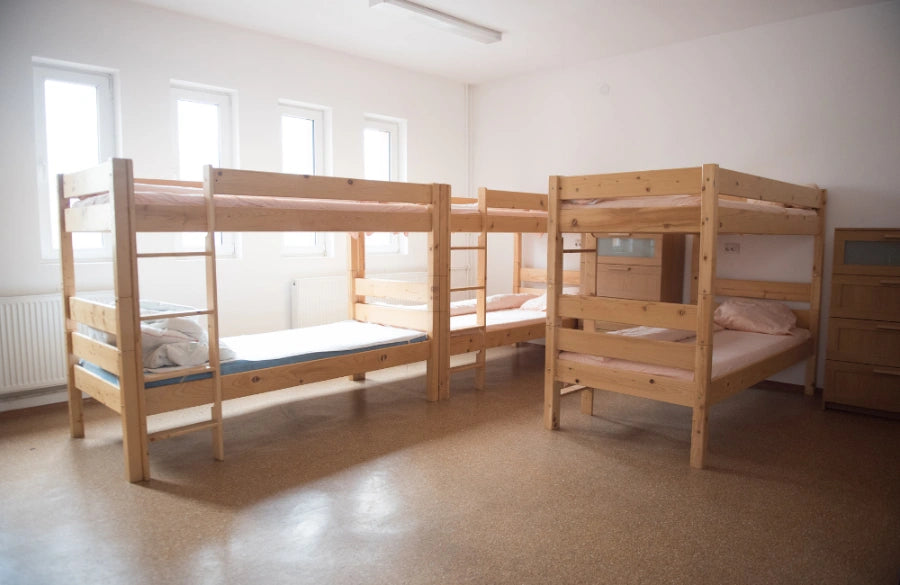
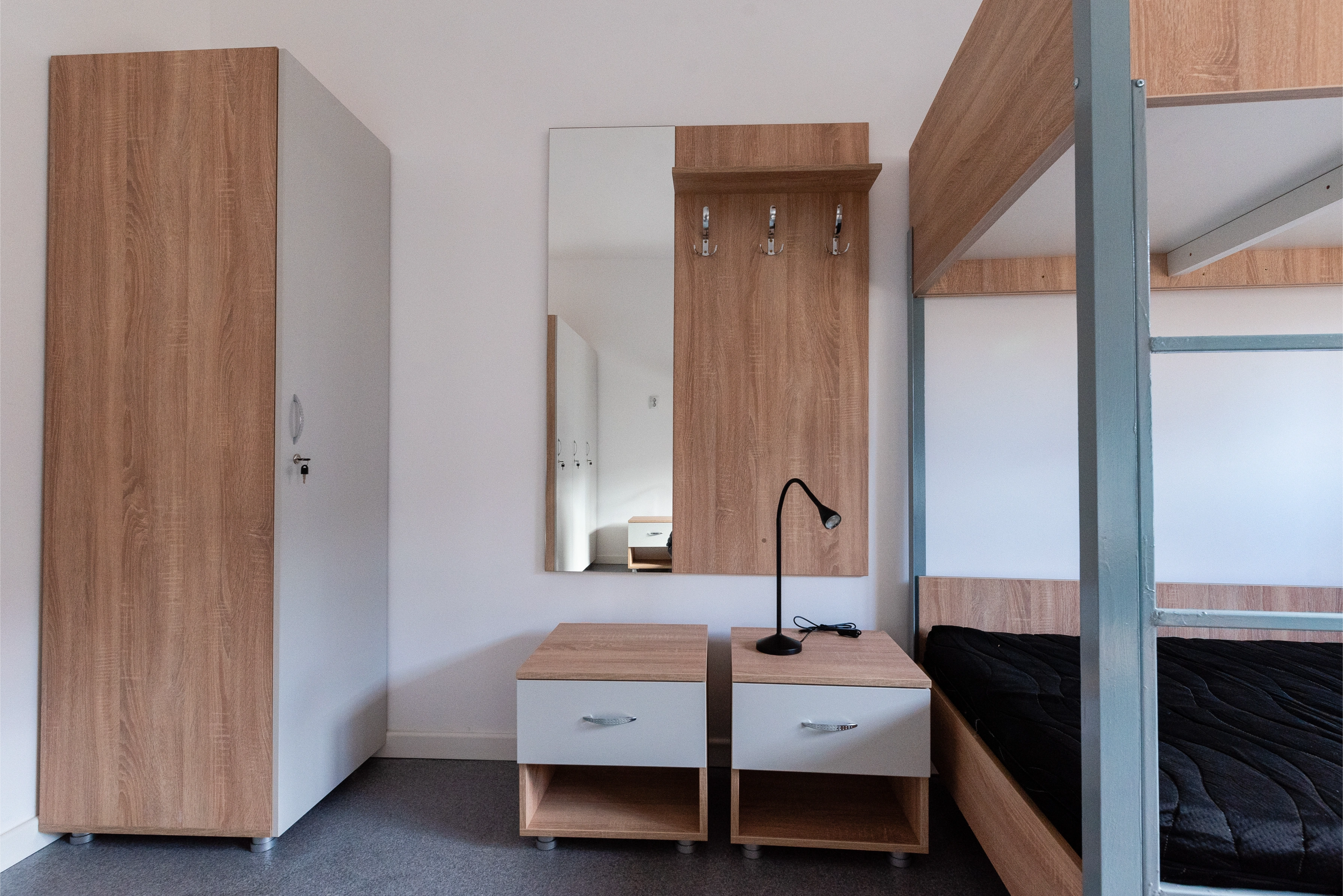
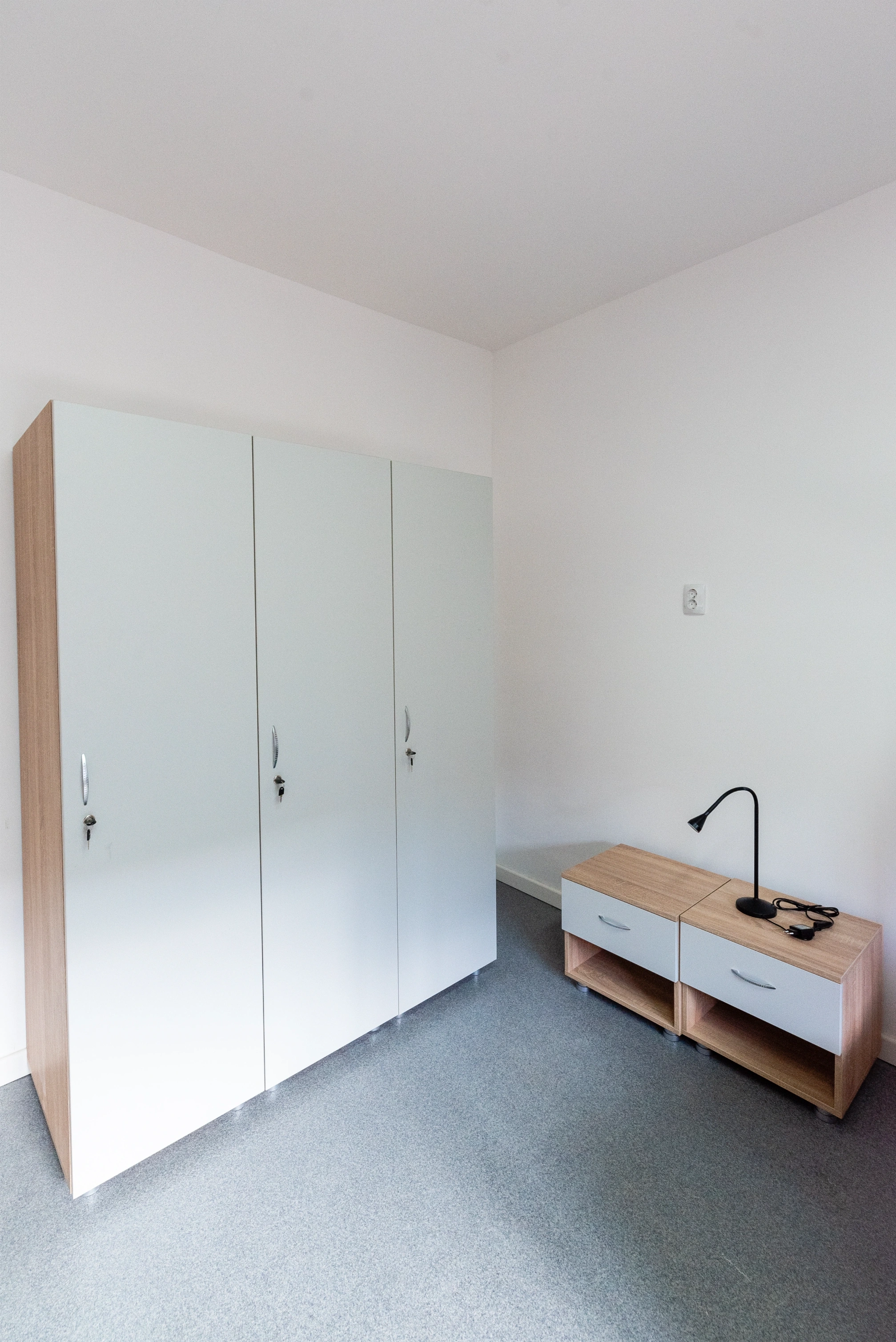
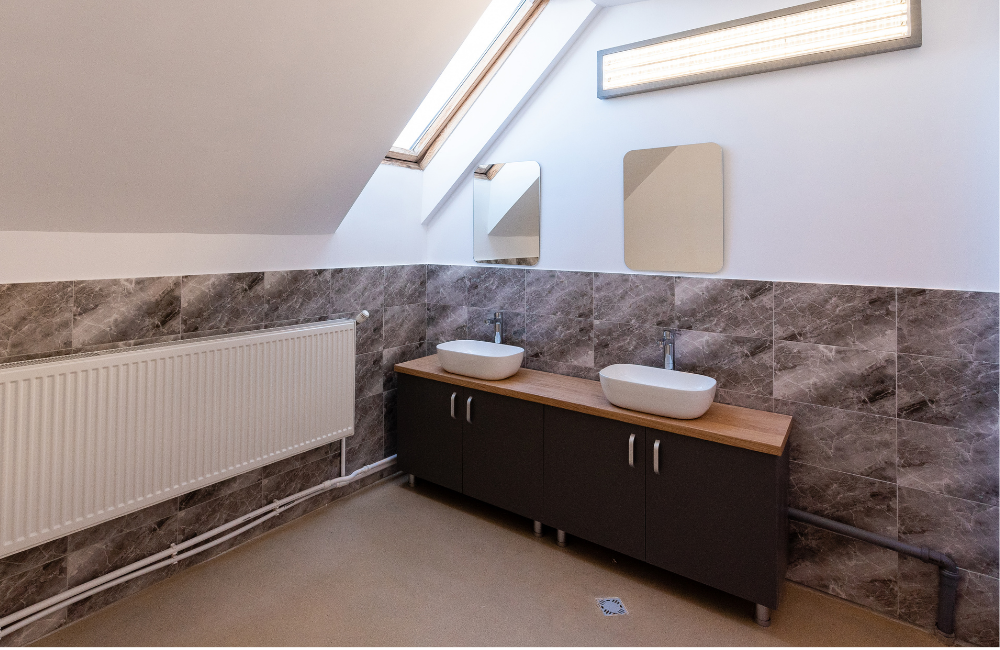
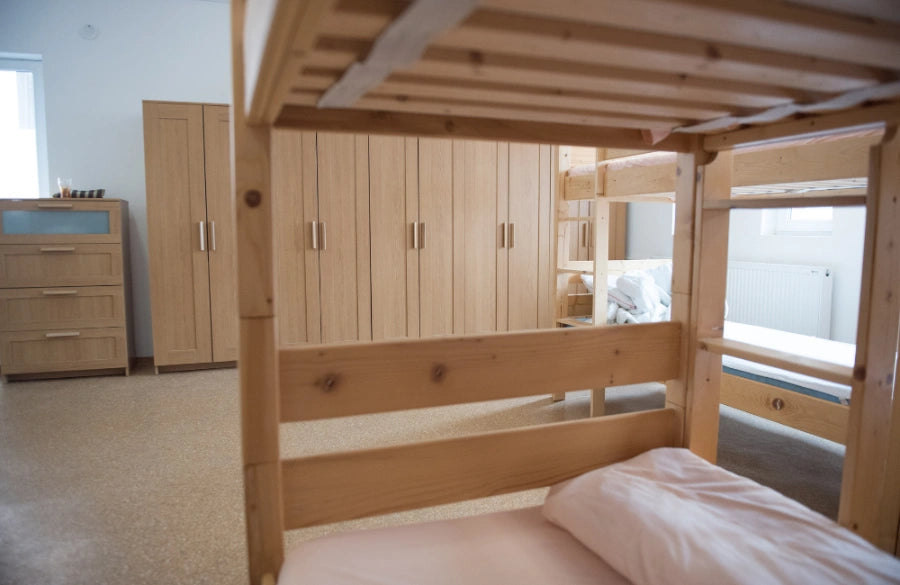
Home, for those with nowhere to go
60 places in a clean, safe, and dignified space. For many, it's the first place they feel respected.
Ce oferim
6 essential pillars for a new start
Safe housing
60 places, up to 12 months. A safe environment for a new start.
Psychosocial counselling
Psychologists, social workers, group therapy. Healing trauma.
Educational support
Completing studies, vocational courses. 163 beneficiaries in 2022.
Labour market integration
CV, interviews, mediation with employers. 70% of graduates find a job.
Rebuilding relationships
Family counselling, mediation. Reconnecting broken bonds.
Documente & Resurse
Documents, bank account, clothing. Everything you need to start.
"Freedom isn't just about walking out the door. It's about having somewhere to go."
Be part of the solution
Every donation, every job offered, every hour of volunteering means a real chance for someone who wants to start over. You can make a difference.
Stories
of transformation
Levente, 44I left with 12 lei in my pocket and no phone number to call. The first week I slept wherever I could. When I arrived at the center, I didn't think I would be able to handle the rules. I stayed for 11 months. Now I have a job at a car service and I've reconnected with my son.
Vasile, 59 years oldI was inside for 9 years. Everything changed outside. I didn't know how to use a phone, I didn't know how to pay with a card at the store. Here, they taught me basic things, like a child. Without shame, without anyone laughing. That mattered.
Dan, 36 years oldEveryone told me that without recent experience, no one would hire me. I had every right to be scared. But here, they sent me to a welding course and put me in touch with a company they worked with. After 3 months, I had a contract.
Florin, 52 years oldI went in three times. The third time, I told myself I would either change or die on the street. I came to the center and asked for help. It's the first time in my life I've stayed at the same job for two years. Two years. For me, that's a record.
Andrei, 31 years oldThe hardest part was accepting that I needed help. In prison, you get used to trusting no one. Here, I learned that you can ask for support without being considered weak. Now I have an apartment, a job, and a dog. A normal life.
Learn more
Transparency is important to us. Here are the answers to your most frequently asked questions.
Are there rules within the program?
Yes. Strict rules, constant monitoring, 15+ years without major incidents. Community safety is our priority.
How long do people stay in CIS?
Usually 6-12 months, flexible depending on needs and individual progress. Each case is evaluated individually.
Do you receive state funding?
Partially. Most of our funding comes from private donations. We need your support to continue.
How do you ensure it changes?
Continuous evaluation, clear objectives, accountability system. Each beneficiary has a personalized plan and is constantly monitored.
Can the center be visited?
Yes. Contact us for an appointment (we respect client confidentiality).
What results do you have so far?
Over 16 beneficiaries annually, a recidivism rate under 20% (compared to the national average of 60%), 70% of those who complete the program find employment, and 90% report improvements in mental health. Each number represents a changed life.
annual beneficiaries in the CIS program
accommodation in our center
recurrence - 4x lower than the national average
of the program's graduates are employed