
What is recidivism and how does Prison Fellowship Romania Foundation combat it?
In Romania, almost half of the people released from prison return there. Not in one year, not in five — but they do return. Statistically, between 40% and 50% of former inmates recidivate.
This figure is not just a number in a report. It is a person who walked out of prison, tried to rebuild their life, and failed. It is a family that hoped and was disappointed. It is a community that continues to bear the costs.
But recidivism is not an inevitability. At Prison Fellowship Romania Foundation, the recidivism rate among participants in rehabilitation programs is approximately 15% — three times lower than the national average.
How is this possible? And what can we learn from it?
What is recidivism — and why it matters
Recidivism means a person returning to criminal behavior after serving a sentence. Specifically: a former inmate commits a new crime and ends up back in the prison system.
The recidivism rate is one of the most important indicators of the effectiveness of a justice system. If 40-50% of former inmates return to prison, it means the system is failing to prepare them for life in freedom.
The costs are enormous — and not just financial:
Economic costs. Housing an inmate in the Romanian prison system costs the state thousands of lei per month. Add judicial procedures, social assistance, hospitalizations — and you reach tens of thousands of lei per year per person.
Social costs. Every recidivism means new victims. It means destabilized families — children growing up without parents, partners left alone, elderly parents without support. Over 18,000 children from disadvantaged backgrounds.
Human costs. A person who recidivates does not do so because they are "bad." They do so because they have no alternatives. Without housing, without a job, without valid documents, without a support network — options quickly narrow.
Why people recidivate
To combat recidivism, we must first understand its causes. PFR's research and experience from over 30 years of activity show some clear patterns:
1. Lack of housing. The first 72 hours after release are critical. A homeless former inmate is extremely vulnerable. Without a safe place to sleep, the chances of reintegration decrease dramatically.
2. Lack of documents. Many people leave prison with expired identity documents. Without a valid ID card, you cannot get a job, access social services, or rent housing. You are invisible in the system.
3. Lack of qualifications. The job market has changed fundamentally in recent years. A person who has spent 5 or 10 years in detention faces a world they no longer recognize — new technologies, new demands, new paces.
4. Social stigma. A criminal record is a real barrier. Many employers refuse to consider candidates with criminal records. Landlords do the same. Society demands reintegration, but rarely facilitates it.
5. Lack of emotional support. Detention creates trauma. Isolation, violence, loss of relationships — all leave deep scars. Without psychological counseling, these traumas turn into destructive behaviors.
6. The old network. Many former inmates return to the same environment they left — the same people, the same temptations, the same pressures. Without a new support network, the cycle repeats.
How PFR addresses the problem of recidivism
Prison Fellowship Romania Foundation intervenes on two levels: in prison (preparation for release) and after release (reintegration support).
In prison: Rehabilitation programs
PFR conducts activities in 34 partner prisons nationwide, involving approximately 5,000 inmates per year. The programs are not superficial; they are structured, repeated interventions based on trusting relationships built over time.
The Prisoner's Journey. This is the basic program, piloted in 2023 and implemented nationwide since 2024. It is a transformative program, based on themes such as forgiveness, responsibility, and reconnecting with the meaning of life. It does not preach, it invites reflection. It does not judge, it creates space for change.
Educational workshops. Personal development, social skills, artistic activities — music, painting. These activities build transferable skills and provide a sense of normalcy in an abnormal environment.
Material support. Clothes, shoes, food, hygiene products — basic necessities that, if not covered, create frustration and despair.
After release: The Social Inclusion Center
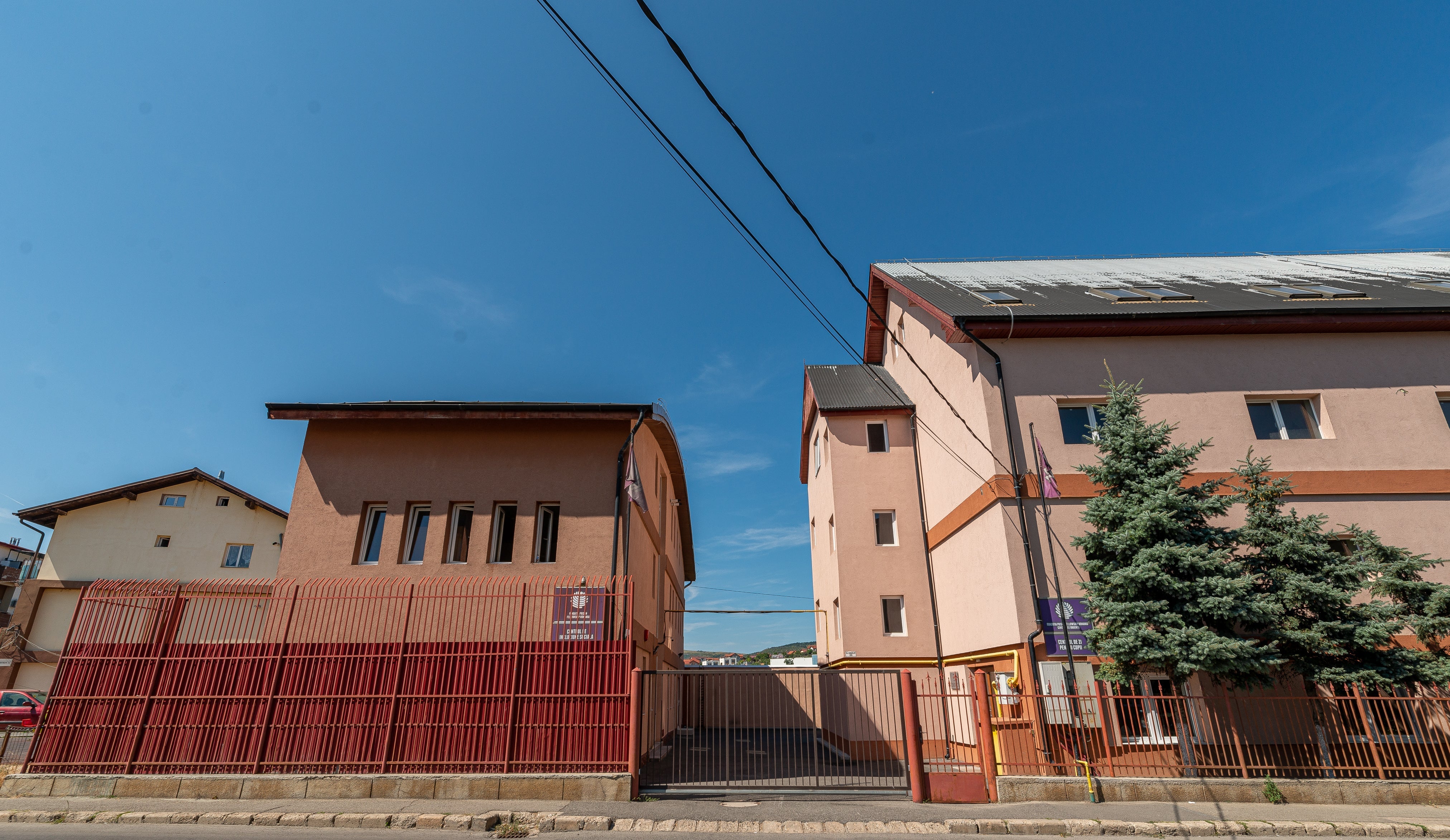
In-prison programs set the stage. But the real challenge comes after release. The PFR Social Inclusion Center in Cluj-Napoca is what the team calls a "buffer zone," a transitional space.
The center offers temporary accommodation for up to 12 months, psychosocial counseling, educational support, vocational training courses, job market mediation, and assistance in obtaining identity documents. Between 160 and 200 beneficiaries pass through the center annually.
The results are clear: the reintegration rate (beneficiaries who find housing and employment) is 65-70%. The recidivism rate among center beneficiaries is below 20% — 2-3 times lower than the national average.
Why the PFR model works
The recidivism rate of approximately 15% for PFR participants, compared to the 40-50% national average, is not an accident. It is the result of a model that addresses the real causes of recidivism, not just the symptoms.
Early and long-term intervention. PFR does not intervene only once. The relationship with the inmate begins in prison, sometimes years before release, and continues afterward. This continuity builds trust and allows for real transition.
Holistic approach. Not just food. Not just counseling. Not just a job. All at once, in an integrated program that views the person as a whole, with material, emotional, spiritual, and social needs.
Community. PFR volunteers, approximately 150-200 active in prisons and another 200 in communities, are proof that society can be more than a judge. They can be a support.
Responsibility, not victimization. PFR programs do not excuse criminal behavior. But neither do they reduce a person to the worst thing they have done. The message is clear: you made a mistake, but you can choose differently.
The story behind the statistics
The 15% rate is not just a number. It is the story of every person who has gone through PFR programs and has not returned to prison.
It is the auto mechanic who now works in a garage in Cluj, after passing through the Inclusion Center. It is the mother who, after release, regained custody of her children, helped by PFR counselors. It is the young man who, in prison, discovered painting through educational workshops and now sells paintings online.
Each of these stories began with someone who chose to invest their time, resources, and trust in them.
Frequently asked questions about recidivism
What does the recidivism rate mean?
The recidivism rate represents the percentage of people who, after serving a sentence, commit a new crime and are re-incarcerated.
What is the recidivism rate in Romania?
According to estimates, the recidivism rate in Romania is between 40% and 50%, being one of the highest in Europe.
Why is the PFR recidivism rate lower?
PFR intervenes holistically, offering counseling, education, material support, social and professional reintegration. This model addresses the causes of recidivism, not just the consequences.
What is The Prisoner's Journey program?
A personal transformation program developed by Prison Fellowship International, piloted in Romania in 2023 and implemented nationwide since 2024. It focuses on forgiveness, responsibility, and reconnecting with the meaning of life.
How can I help reduce recidivism?
By donating, by volunteering in prisons, or by hiring former inmates in your company.
How you can contribute to reducing recidivism
Recidivism is not "their" problem. It is our problem, everyone's. Every reintegrated former inmate means one less victim, one whole family, one more taxpayer.
· Donate — support rehabilitation programs in prisons and the reintegration center
· Redirect 3.5% of your income tax — it costs you nothing extra
· Become a volunteer — PFR is always looking for people who believe in second chances
· Hire — if you have a company, offer a chance to a former inmate
The solution to a community's problems is found within the community itself.
Shari:
From the Streets to a Safe Haven - Ion's Journey Through the Inclusion Center
Why hot meals matter: The social impact of the community kitchen