
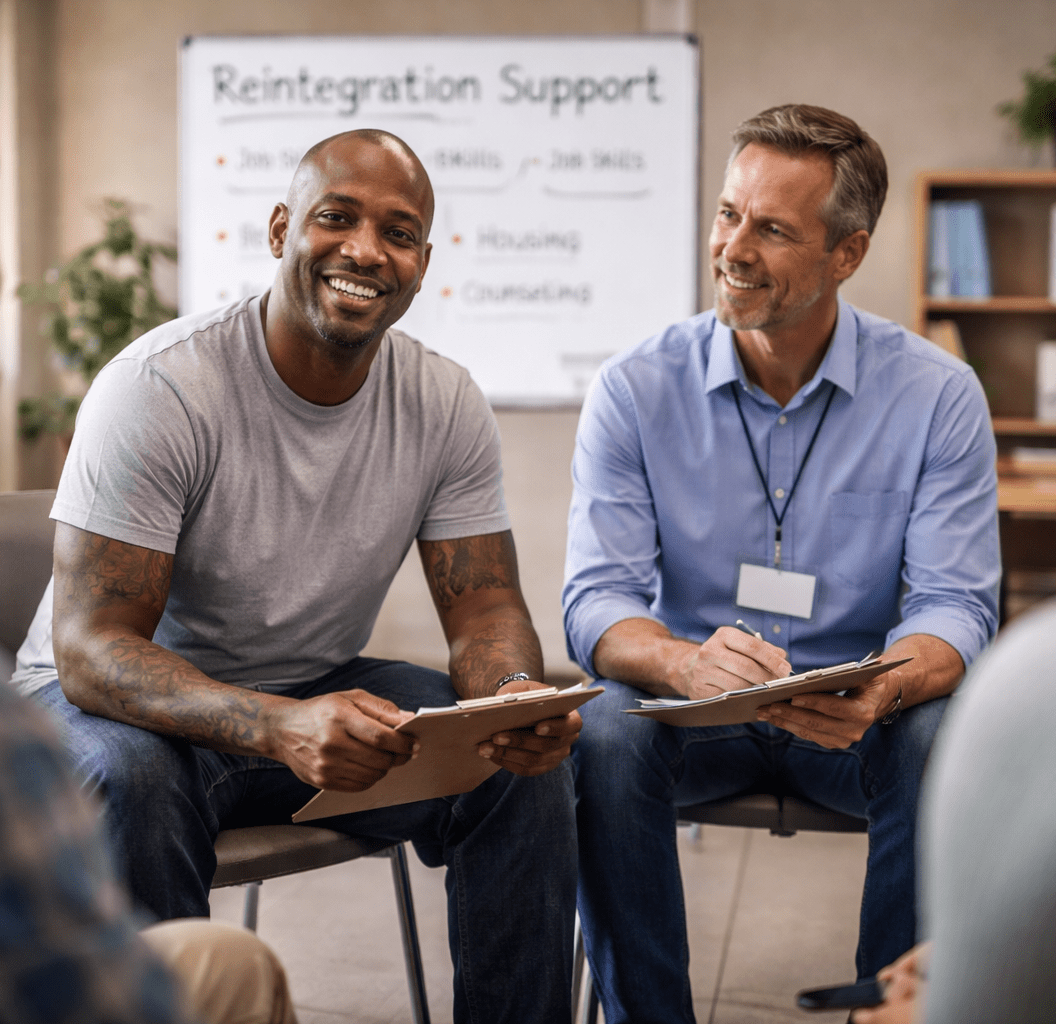
From the streets to a safe haven – Ion's journey through the Inclusion Center
Ion is 50 years old, and his life has been divided into two: before and after prison.
Before, he had an apartment, a job, and a family. After 7 years of detention, he had none of that left. His wife had divorced him. His children had grown up without him. The apartment had been sold. His friends had disappeared.
When he walked out of the prison gates, he had a backpack, an expired ID, and no idea what was next.
He spent the first three nights sleeping in the train station.
The first 72 hours
At the Prison Fellowship Romania Foundation, we know one thing: the first 72 hours after release are critical. In this short window, a former inmate often unconsciously decides whether they will attempt a new life or return to what they know.
Without shelter, without food, without valid documents, options quickly narrow. People don't reoffend because they are "bad." They reoffend because they have no alternatives.
Ion was lucky. In prison, a PFR volunteer told him about the Social Inclusion Center in Cluj-Napoca. They wrote the address on a piece of paper, which Ion kept in his pocket for months.
On the fourth day of his freedom, with the crumpled paper in his hand, he arrived at the center.
What is the Social Inclusion Center?
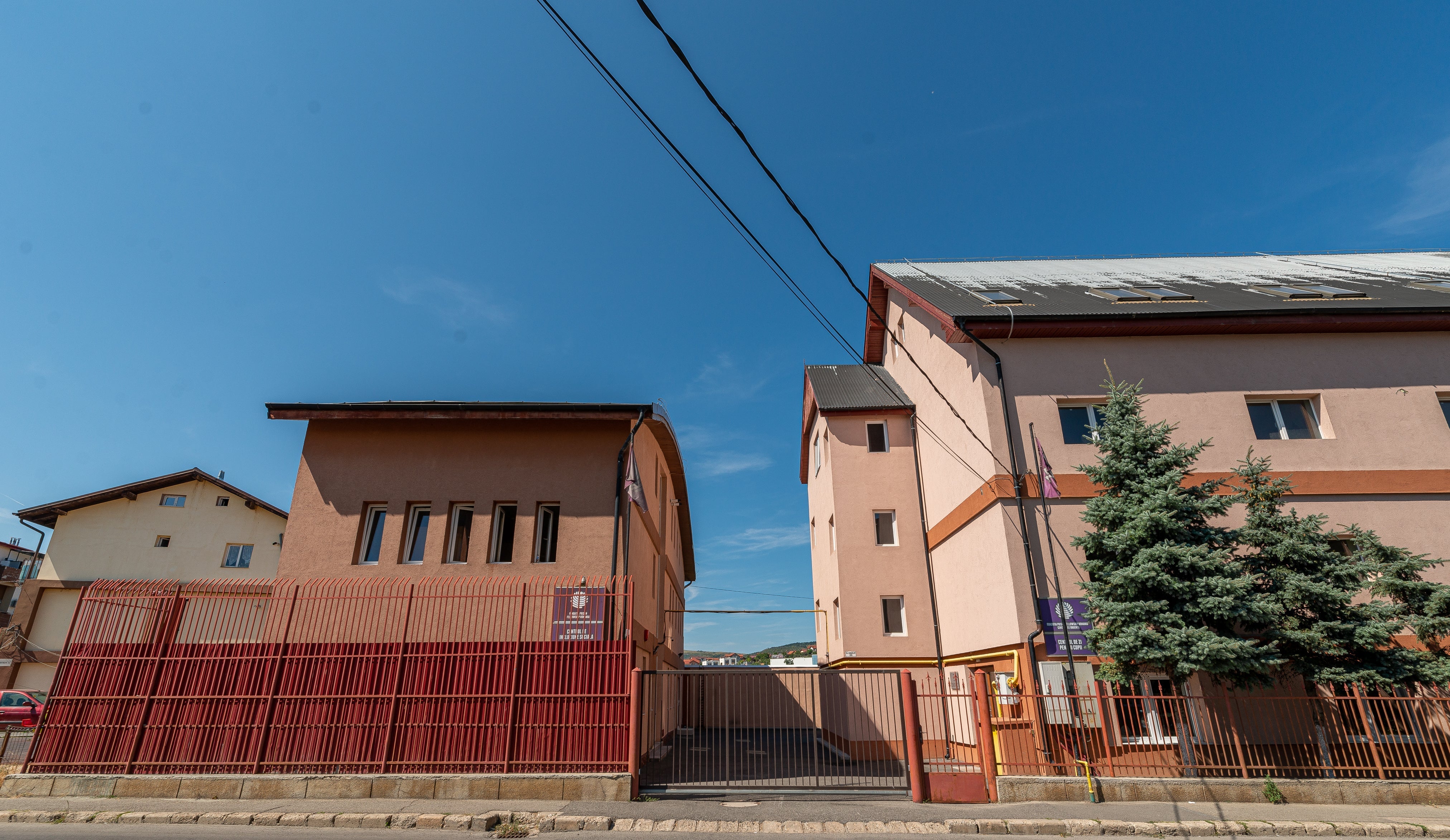
The PFR Social Inclusion Center is what the team calls a "buffer zone," a transitional space between prison and life in freedom. It operates in partnership with the National Administration of Penitentiaries (ANP) and the Social Assistance Directorate of the Cluj-Napoca City Hall.
It is not a classic shelter. It is a structured program that offers:
Temporary accommodation — up to 12 months, in a clean, safe space with decent conditions.
Psychosocial counseling — trauma management, social skills development, cultivation of prosocial values. After years of detention, the simplest interactions can be overwhelming.
Educational support — completion of studies, vocational training courses, obtaining necessary certificates.
Labor market integration — CV preparation, interview simulations, mediation with local employers, post-employment monitoring.
Restoration of family relationships — counseling, mediation, reconciliation. Many beneficiaries have not seen their families for years.
Identity documents — obtaining or renewing ID cards, criminal records, health cards. Without documents, you are invisible in the system.
Ion's Journey
Ion entered the center in November. For the first week, he barely spoke. He slept a lot, ate in silence, avoided eye contact.
"I wasn't used to being treated like a human," he says now. "In prison, you're a number. Here, someone called me by name and asked how I was feeling."
Month 1: The center's counselor helped him renew his identity documents. He registered with a family doctor. He began psychological counseling sessions.
Months 2-3: He took a vocational training course in logistics. He learned to use a computer — for the first time in his life.
Month 4: With the help of the mediation team, he had three job interviews. At the third, he was accepted as a logistics operator in a warehouse.
Month 6: He received his first salary. He cried.
Month 9: He rented a room. He left the center.
Month 12: He returned to the center — to donate a winter jacket. "Someone else needs it more than I do."
Reintegration Figures
Ion's story is not an exception — it is a pattern that the Inclusion Center has been repeating for years.
· ~160-200 beneficiaries supported annually
· ~65-70% reintegration rate — beneficiaries find housing and employment
· Below 20% recidivism rate — 2-3 times lower than the national average of 40-50%
· Up to 12 months of integrated support
· Full services: accommodation, counseling, training, employment mediation, documents, family reconciliation
The Center also hosted Ukrainian refugees in 2022 — demonstrating that the model works for any vulnerable person, not just former inmates.
Why a shelter matters
Reintegration is not a luxury. It is an investment.
A former inmate who reoffends costs the state tens of thousands of lei per year for prison accommodation, legal procedures, and social assistance. A reintegrated former inmate pays taxes, contributes to the community, and raises their children.
The PFR Social Inclusion Center demonstrates that the model works: it provides structured, personalized support for a period long enough to allow for a real transition.
"Freedom can be frightening for someone who has spent years behind bars," say PFR specialists. The Center transforms this fear into courage, step by step.
How you can help
Every person who passes through the Inclusion Center needs community support.
· 30 lei = a warm meal at the center
· 100 lei = materials for a vocational training course
· 500 lei = one month of accommodation and integrated services
You can also contribute by redirecting 3.5% of your income tax or by volunteering – the center needs mentors, trainers, and people who believe in second chances.
The solution to a community's problems is found within the community itself.
Offer a second chance → pfr.ro/pages/doneaza
Shari:
Maria and the Christmas Gift - When a Child Has a Parent in Detention
What is recidivism and how does Prison Fellowship Romania Foundation combat it?