
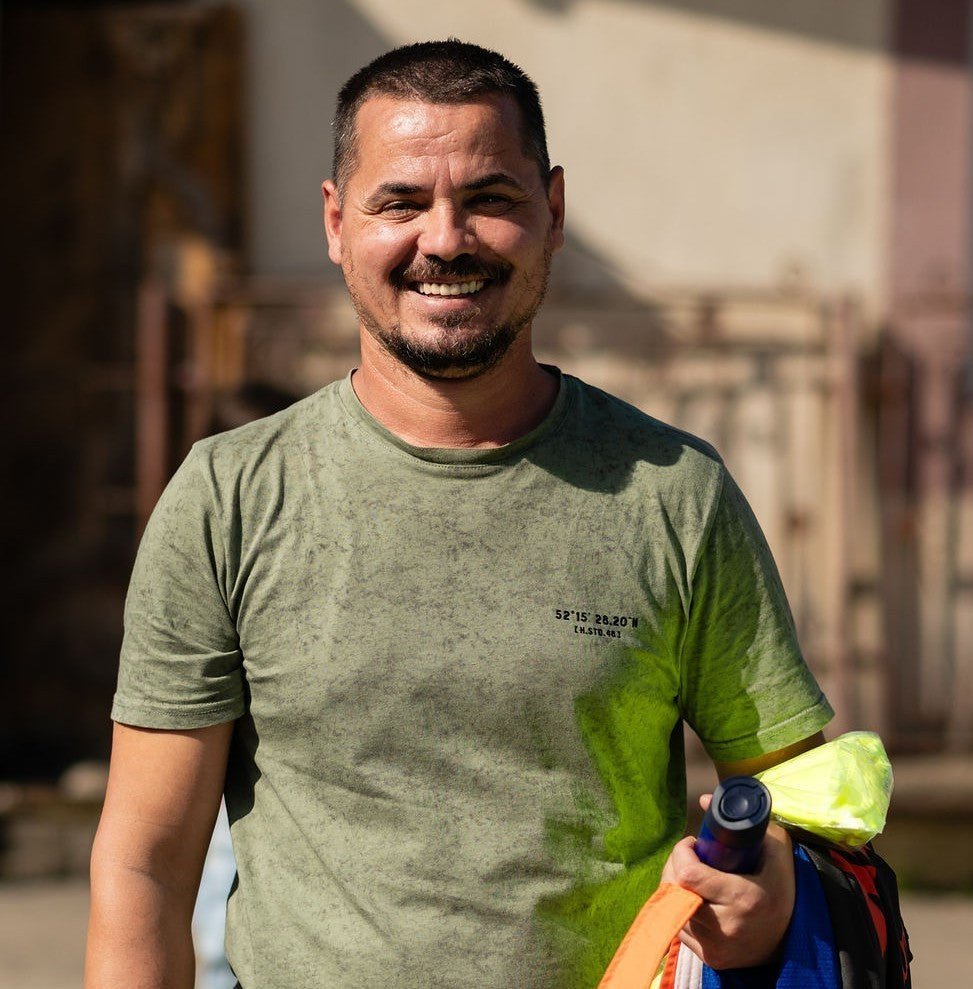
Andrei's Story: From Cell to a New Life
Andrei was 35 when he was released from prison. He had spent 5 years behind bars. When the gate opened, he was free, but had nowhere to go.
He had no home. He had no family waiting for him. He had no recent work experience. He only had a plastic bag with a few clothes and an expired ID.
The first 72 hours after release are critical. Statistics show that most former inmates who re-offend do so in the first few weeks. Not because they want to, but because they have no alternative. Without a place to sleep, without money, without valid documents, options are dramatically reduced.
Andrei was lucky. Or, more precisely, he had someone who guided him.
First Step: A Safe Place
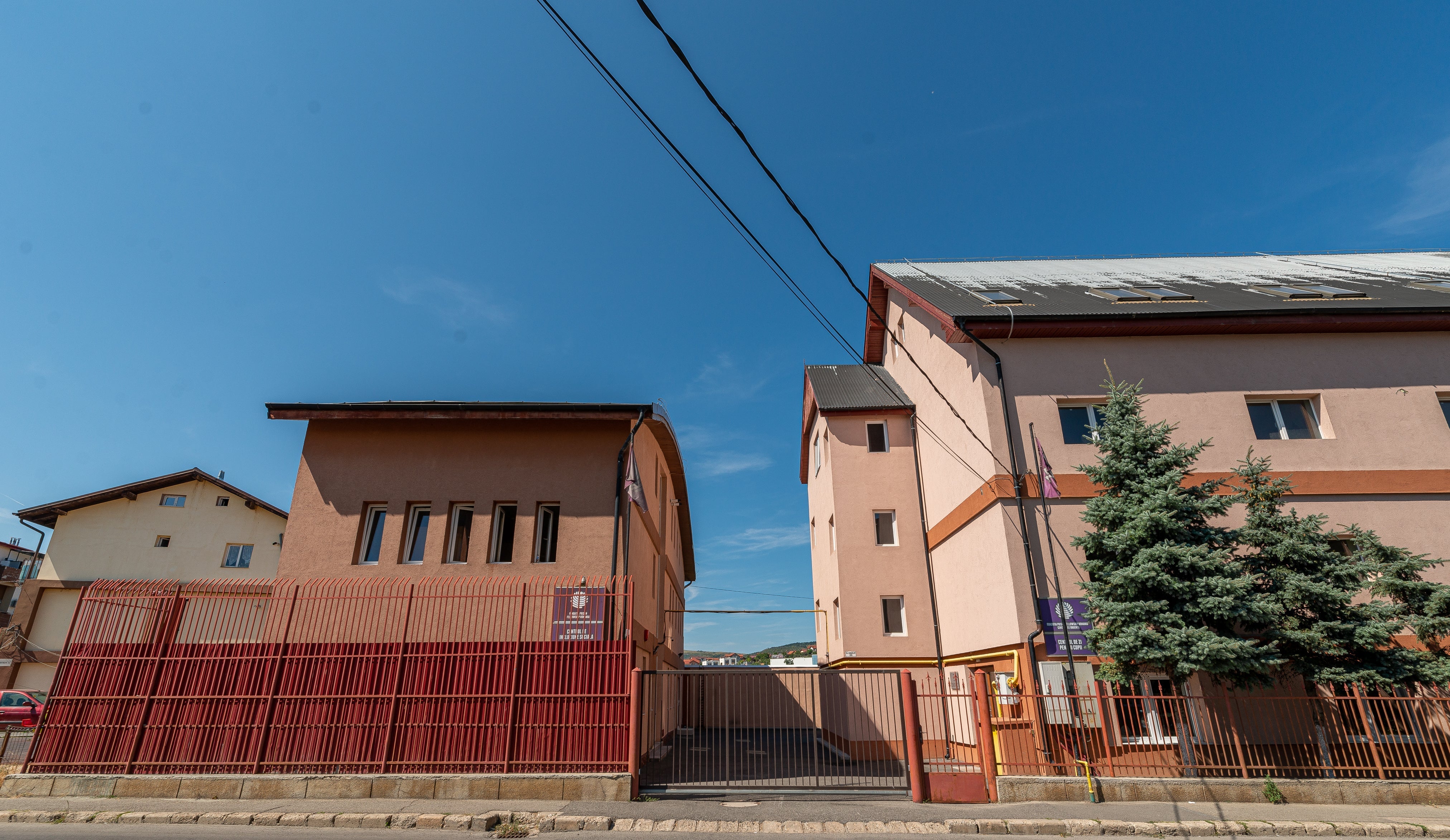
While still in prison, a volunteer from Prison Fellowship Romania informed him about the Social Inclusion Center in Cluj-Napoca. They explained that there he could receive temporary accommodation, counseling, and support to rebuild his life.
The center offers up to 12 months of accommodation and integrated services, psychosocial counseling, educational support, mediation in the labor market, and assistance for obtaining identification documents.
"When I arrived at the center, I didn't think it would work," Andrei recounts. "I went in thinking I would leave in a few days. I stayed for almost a year."
What Andrei Found at the Inclusion Center
The PFR Social Inclusion Center is not an ordinary shelter. It is a "buffer zone" between prison and life in freedom, a space where former inmates and other vulnerable people learn to live independently again.
What Andrei received:
Psychosocial counseling. A psychologist helped him process guilt, social anxiety, and fear of failure. After 5 years of detention, the simplest interactions, a job interview, a conversation with a neighbor, can be overwhelming.
Identification documents. The center's team helped him renew his ID, obtain his criminal record, and register with a family doctor. Without these documents, you can't even open a bank account or sign an employment contract.
Vocational training course. Andrei took a chef's course, a profession in demand on the labor market. He received a recognized professional certificate.
Job preparation. CV, interview simulations, career counseling. The center's team worked with local employers willing to give a chance to individuals with a criminal record.
Personal reconstruction. Perhaps the most important thing he received was not material. It was the belief that he could change. That the past does not define the future.
The Journey from Fear to a Stable Job
After 4 months of counseling and training, Andrei was hired as a kitchen assistant in a restaurant in Cluj. The first few weeks were tough: a fast pace, colleagues who didn't know about his past, the exhaustion of learning everything from scratch.
But he persevered. After 6 months, he was promoted. After 9 months, he rented a studio apartment. A year later, he visited the center, not as a beneficiary, but as a volunteer.
"I want those who come here to see that it's possible," Andrei said. "It's not easy. But it's possible."
The Numbers Behind the Story
Andrei's story is not unique. Each year, the PFR Social Inclusion Center supports approximately 160-200 people.
Here's what the data shows:
· ~65-70% reintegration rate, beneficiaries find housing and employment
· Under 20% recidivism rate, 2-3 times lower than the national average of 40-50%
· Up to 12 months of integrated support for each beneficiary
· Comprehensive services: accommodation, counseling, vocational training, employment mediation, identification documents
The center operates in partnership with the National Administration of Penitentiaries (ANP) and the Social Assistance Directorate of the Cluj-Napoca City Hall.
Why Reintegration Matters
In Romania, the average recidivism rate is 40-50%. This means that almost half of the people released from penitentiaries will end up back behind bars. Not because they are "bad," but because they were not prepared for life afterward.
Without housing, without documents, without a job, without psychological support, freedom becomes another form of isolation. And isolation inevitably leads back to what you know: the criminal environment.
The Prison Fellowship Romania Foundation intervenes at precisely this critical point. For over 30 years, PFR has been working in 34 penitentiaries nationwide, preparing inmates for release. And for those who need the most support after release, the Inclusion Center offers a real bridge between prison and society.
How You Can Help
Andrei's story was made possible by those who choose to support PFR, through donations, volunteering, or redirecting 3.5% of their income tax.
With 30 lei, you provide a hot meal for a center beneficiary.
With 100 lei, you contribute to the materials for a vocational training course.
With 500 lei, you support a month of accommodation and counseling.
Reintegration works. Andrei is the proof.
Support reintegration → pfr.ro/pages/doneaza
Shari:
What happens to your donation - Transparency at PFR
A warm meal that changed everything